Beginner Bodyweight Workout for Small Apartments
Starting a fitness routine at home can be a practical solution for those living in small apartments where space and equipment are limited. Bodyweight exercises offer a versatile approach that requires no additional gear, making them ideal for compact living situations. This article outlines a 20-minute beginner-friendly routine designed to be performed in a small area, focusing on fundamental movements that engage multiple muscle groups.
The routine emphasizes proper form and gradual progression, ensuring that individuals new to exercise can participate safely. It is structured to be time-efficient, fitting easily into a busy schedule, and can be adapted to various fitness levels. By following this guide, apartment dwellers can establish a consistent training habit without the need for a gym membership or bulky equipment.
Understanding Bodyweight Training
Bodyweight training involves exercises that use an individual’s own weight as resistance. This method is accessible and effective for building strength, especially for beginners. Unlike machine-based workouts, bodyweight exercises often require balance and coordination, engaging stabilizing muscles that contribute to overall functional fitness.
For apartment residents, bodyweight training offers several advantages. It eliminates the need for large equipment, which can be cumbersome and costly. Additionally, many bodyweight exercises can be modified to increase or decrease intensity, making them suitable for a wide range of fitness levels. This flexibility allows individuals to progress at their own pace, which is crucial for long-term adherence.
It is important to note that while bodyweight exercises can effectively build strength, results depend on consistent effort and proper nutrition. As with any exercise program, individual outcomes may vary based on factors such as starting fitness level, recovery, and overall lifestyle.
Preparing Your Space
Before beginning the workout, it is essential to prepare the environment to ensure safety and comfort. Choose a clear area that is large enough to perform exercises without obstruction. A space of approximately six feet by six feet is generally sufficient for most movements. Remove any furniture or objects that could pose a tripping hazard.
Consider the flooring as well. Carpets can provide cushioning, but they may increase friction during exercises like planks. Hardwood or tile floors might require a yoga mat to protect joints and provide grip. Investing in a non-slip mat can enhance comfort and stability, especially for exercises performed on the floor.
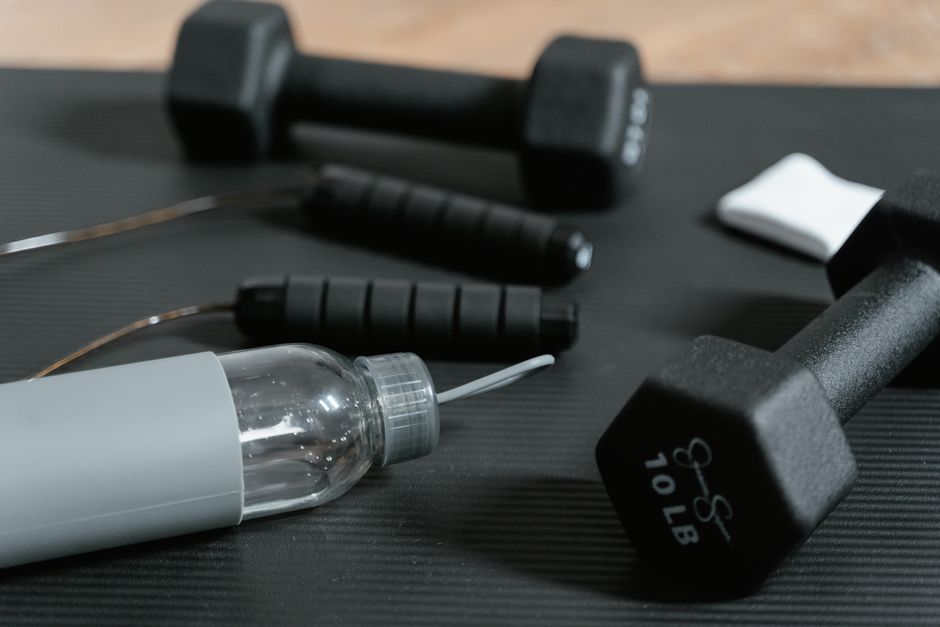
Ventilation is another factor to keep in mind. Since the workout is expected to raise your heart rate, ensure the room is well-ventilated. Opening a window or using a fan can help maintain a comfortable temperature. Keeping a water bottle nearby is also advisable to stay hydrated throughout the session.
The 20-Minute Workout Routine
This routine consists of a warm-up, a series of strength exercises, and a cool-down. It is designed to be performed in a circuit format, where each exercise is done for a set duration, followed by a short rest. The total time is approximately 20 minutes, making it feasible for a busy schedule.
Warm-Up (3 minutes)
Begin with light cardio to increase blood flow and prepare the muscles. March in place for 1 minute, lifting your knees to hip height. Follow with arm circles for 1 minute, starting with small circles and gradually increasing the range of motion. Finish with hip circles for 1 minute, rotating your hips in both directions.
The warm-up helps reduce the risk of injury and improves performance during the main exercises. It also mentally prepares you for the workout ahead.
Strength Exercises (14 minutes)
Perform each exercise for 45 seconds, followed by a 15-second rest. Complete the circuit twice, with a 1-minute rest between rounds.
- Bodyweight Squats: Stand with feet shoulder-width apart. Lower your hips as if sitting back into a chair, keeping your chest up and knees aligned with your toes. Return to standing.
- Modified Push-Ups: Perform push-ups with your knees on the floor to reduce difficulty. Place hands slightly wider than shoulders, lower your chest toward the ground, and push back up.
- Lunges: Step forward with one foot and lower your hips until both knees are bent at about 90 degrees. Push through the front heel to return to the starting position. Alternate legs.
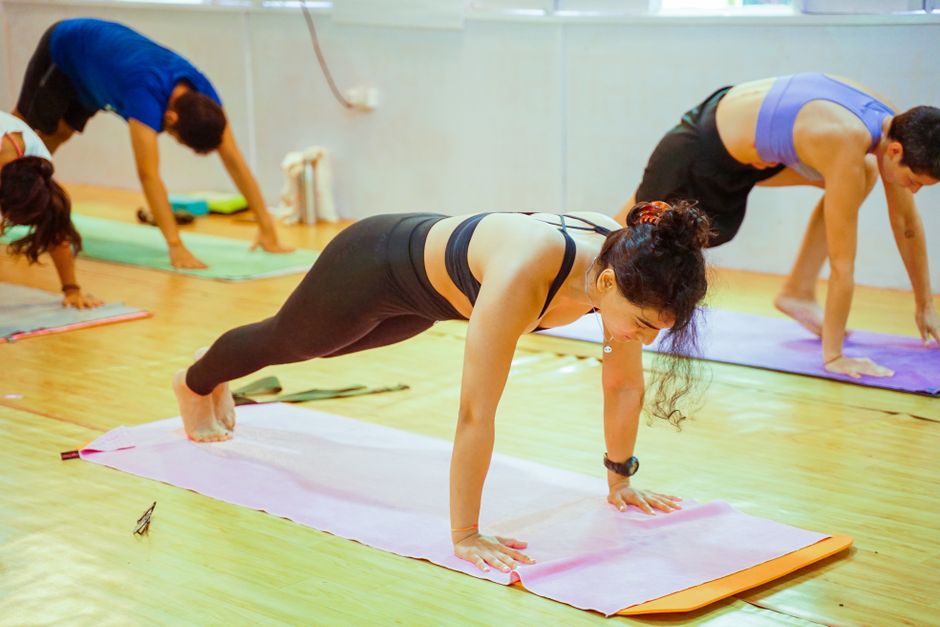
- Plank Hold: Start in a forearm plank position, with your body in a straight line from head to heels. Hold this position, engaging your core and glutes.
- Glute Bridges: Lie on your back with knees bent and feet flat on the floor. Lift your hips toward the ceiling, squeezing your glutes at the top, then lower back down.
These exercises target major muscle groups, including the legs, chest, core, and glutes. They are chosen for their simplicity and effectiveness, requiring minimal space. Adjust the duration or rest as needed to match your fitness level.
Cool-Down (3 minutes)
After the strength portion, it is important to cool down gradually. Perform a standing forward fold for 1 minute, letting your upper body hang loose. Follow with a quad stretch (standing or lying) for 1 minute on each leg. Finish with deep breathing for 1 minute, focusing on expanding your lungs fully.
Cooling down helps lower your heart rate gradually and may reduce muscle soreness. It also provides a moment to reflect on the workout and prepare for the day ahead.
Modifications and Progressions
One of the benefits of bodyweight training is the ability to adapt exercises to your current level. For beginners, modifications are essential to ensure proper form and prevent injury. As you become more comfortable, you can increase the difficulty to continue challenging your muscles.
For squats, you can hold onto a sturdy chair for support if balance is an issue. To make them more challenging, you can perform jump squats (if your joints allow) or hold a dumbbell close to your chest. Push-ups can be made easier by elevating your hands on a bench or countertop, or more difficult by elevating your feet. Lunges can be performed in a static position (no step) for balance, and holding weights can increase intensity.
Plank variations include extending arms (high plank) or adding a shoulder tap. Glute bridges can be progressed to single-leg bridges. The key is to progress gradually, ensuring that you maintain proper form throughout each movement.
Remember, the goal is to maintain consistent effort and avoid overexertion. Listen to your body and adjust the intensity as needed.
Staying Consistent and Tracking Progress
Consistency is a cornerstone of any fitness endeavor. Setting a regular schedule, such as performing this workout three times a week, can help establish a habit. Consider incorporating it into your morning or evening routine, whichever suits your lifestyle best.
Tracking progress can be motivating. Keep a simple log of the duration you are able to hold a plank or the number of repetitions you complete within the time frame. Over weeks, you may notice improvements, which can reinforce your commitment. However, it is important to note that progress is not always linear and may vary due to factors like sleep, nutrition, and stress.
Additionally, varying your routine can prevent boredom and plateaus. After a few weeks, you might consider increasing the exercise duration or adding new movements that still fit within your space constraints. The options are vast, but always prioritize form and safety.
Conclusion
Starting a bodyweight workout routine in a small apartment is a practical way to integrate physical activity into your daily life. The 20-minute routine described here requires minimal space and equipment, making it accessible for beginners. By following the guidelines for preparation and execution, you can perform the exercises safely and effectively.
It is important to remember that any exercise program should be tailored to individual capabilities and health status. If you have any medical conditions or concerns, consulting a healthcare professional before beginning a new exercise regimen is advisable. Ultimately, consistency and a focus on proper technique are more critical than intensity, especially in the early stages.
As you progress, you can adjust the routine to suit your evolving fitness level. Remember to listen to your body and allow adequate rest for recovery. With dedication and mindful practice, this workout can become a valuable component of your home fitness routine.