Pre-Workout Snacks: What to Eat Before Training
Proper nutrition before a workout can influence how you feel and perform during exercise. For those who train at home, selecting the right pre-workout snack involves considering both the type of activity and the time available before starting. A thoughtful approach to pre-exercise eating can help maintain energy levels and support overall training consistency.
This article explores practical snack options, such as bananas with almond butter and oats with berries, along with guidance on timing and portion sizes. These suggestions aim to provide a balanced foundation for your home training sessions, focusing on information rather than guaranteed outcomes.
Understanding Pre-Workout Nutrition
Pre-workout nutrition serves as a source of fuel for the body. The main goal is to provide readily available energy, primarily in the form of carbohydrates, while also including moderate protein to support muscle maintenance. The ideal pre-workout snack is one that is easily digestible and does not cause discomfort during exercise.
Carbohydrates are broken down into glucose, which is used by muscles as a primary energy source. Including a small amount of protein can help with muscle repair and may contribute to satiety. Fats are digested more slowly, so high-fat snacks are generally not recommended close to exercise, as they may delay gastric emptying and lead to sluggishness.
The specific composition of a pre-workout snack can vary based on the type of workout. For instance, intense strength training may benefit from a slightly higher protein intake, while endurance activities might prioritize carbohydrates. However, individual responses differ, and it is important to experiment to find what works best for you.
Timing Your Snack
The timing of your pre-workout snack can influence how your body utilizes the nutrients. A general guideline is to eat a larger meal 2–3 hours before exercise, but for a snack, a shorter window is often sufficient. If you have 30–60 minutes before training, a lighter snack that is easy to digest is preferable.
Eating too close to a workout may cause gastrointestinal discomfort, as blood flow is directed toward the muscles, diverting it from the digestive system. On the other hand, exercising on an empty stomach may lead to low energy and difficulty maintaining intensity. The optimal timing often depends on individual tolerance and the nature of the snack.
A practical approach is to consume a snack that provides around 150–200 calories, with a higher proportion of carbohydrates and a moderate amount of protein. This range can be adjusted based on body weight, workout duration, and your overall daily caloric intake. It is advisable to keep a food diary to track your responses and adjust accordingly.
Healthy Snack Ideas
Banana with Almond Butter
A banana paired with almond butter is a classic pre-workout snack. Bananas are rich in carbohydrates, particularly natural sugars like glucose and fructose, which can provide a quick source of energy. They also contain potassium, an electrolyte that supports muscle function.
Almond butter adds healthy fats, protein, and fiber. The combination of complex and simple carbohydrates in the banana, along with the protein and fat from the almond butter, offers a balanced profile. The fiber helps slow digestion, providing a more sustained release of energy, while the fats contribute to satiety.
To prepare this snack, simply slice a banana and spread a tablespoon of almond butter on each slice. This can be consumed about 30–45 minutes before exercising. For those who prefer a different nut butter, alternatives like cashew or peanut butter can be substituted, keeping in mind any allergies.
Oats with Berries
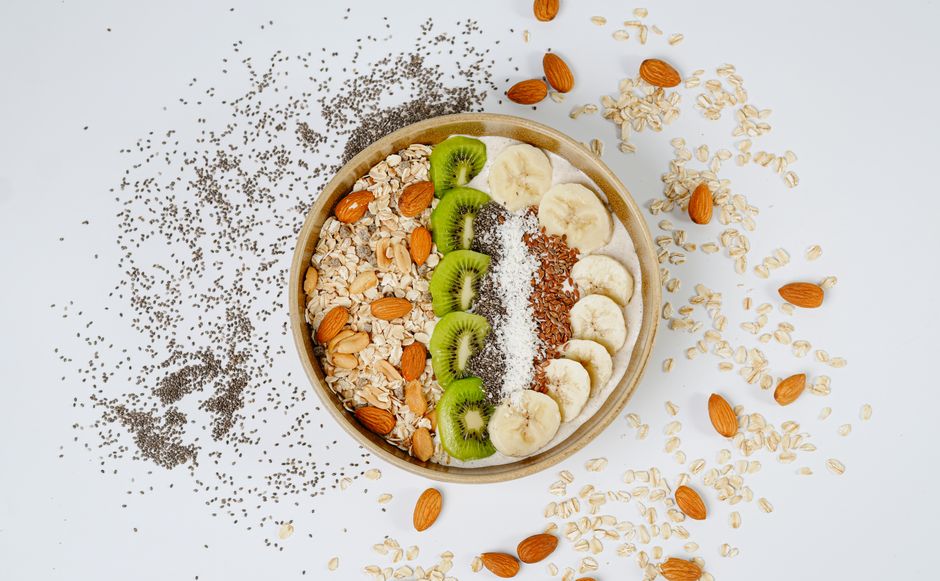
Oats are a whole grain that provides complex carbohydrates, which are digested slowly, offering a steady supply of energy. When combined with berries, which are rich in antioxidants and natural sugars, this snack becomes both nutritious and tasty.
To make this snack, you can prepare overnight oats by soaking rolled oats in milk or a dairy-free alternative, then adding a handful of berries such as blueberries, strawberries, or raspberries. This can be prepared the night before and stored in the refrigerator, making it a convenient option for early workouts.
The fiber content in oats helps maintain blood sugar levels, and the berries add a burst of flavor without excess added sugar. This snack is particularly suitable for longer training sessions, as it provides sustained energy. A serving size might be half a cup of dry oats and a half cup of berries, depending on your caloric needs.
Portion Control and Individual Factors
Determining the right portion size for a pre-workout snack depends on several factors, including body size, the intensity and duration of the workout, and your overall daily calorie intake. A common starting point is a snack that contains about 30–60 grams of carbohydrates, which is roughly equivalent to a small banana and a slice of bread.
For those engaging in high-intensity interval training or resistance exercise, adding a bit more protein may be beneficial. Conversely, for lower-intensity activities like yoga or walking, a smaller snack might suffice. It is essential to listen to your body’s signals and adjust portions based on how you feel during your workout.
Individual tolerance to certain foods varies. Some people may find that fiber-rich snacks like oats cause discomfort when eaten too close to exercise, while others digest them without issue. Experimentation and mindful observation are key to finding what works for your body. Keeping a log of your pre-workout snacks and performance can help you identify patterns and make informed adjustments.
Hydration and Additional Considerations
Hydration is a critical aspect of pre-workout preparation. Drinking water before, during, and after exercise is essential for optimal performance. The amount of water you need can vary based on factors such as sweat rate, temperature, and exercise intensity. A general recommendation is to consume 16–20 ounces of water in the 1–2 hours before training.
While the focus is often on snacks, it is important to consider the overall quality of your diet. Regularly consuming a variety of whole foods, including fruits, vegetables, lean proteins, and healthy fats, supports your fitness goals. Pre-workout snacks are just one component of a broader nutritional strategy.
Additionally, it is advisable to avoid high-sugar snacks that may cause a rapid spike and subsequent drop in blood sugar. Instead, opt for snacks that provide a combination of carbohydrates, protein, and healthy fats to promote stable energy levels. If you are unsure about your nutrition needs, consulting a registered dietitian or healthcare professional can provide personalized guidance.
Putting It All Together
Creating a pre-workout snack routine that works for you involves understanding your body, planning ahead, and making adjustments as needed. The ideas presented—like banana with almond butter and oats with berries—are just a few options among many. They offer balanced nutrition that can support your training.
Ultimately, the best pre-workout snack is one that fits your schedule, preferences, and digestive comfort. By paying attention to timing, portion sizes, and hydration, you can make informed choices that contribute to a positive exercise experience. Remember that individual responses may vary, and it is essential to find what works best for you in the context of your overall dietary pattern.